
The Unseen Debt: Why Ethics is More Than Just Money
In the frantic rush of modern life
In the frantic rush of modern life, we often obsess over the speed of our success. But as we climb the ladder, how often do we stop to ask: whose toes are we stepping on? From Eastern traditions to Western philosophy, the principle of not encroaching on what belongs to another is a universal moral law. In our cultural heritage, we call this "rights of others"—the inherent right of another human being.
Is "rights of others" Only About Money?
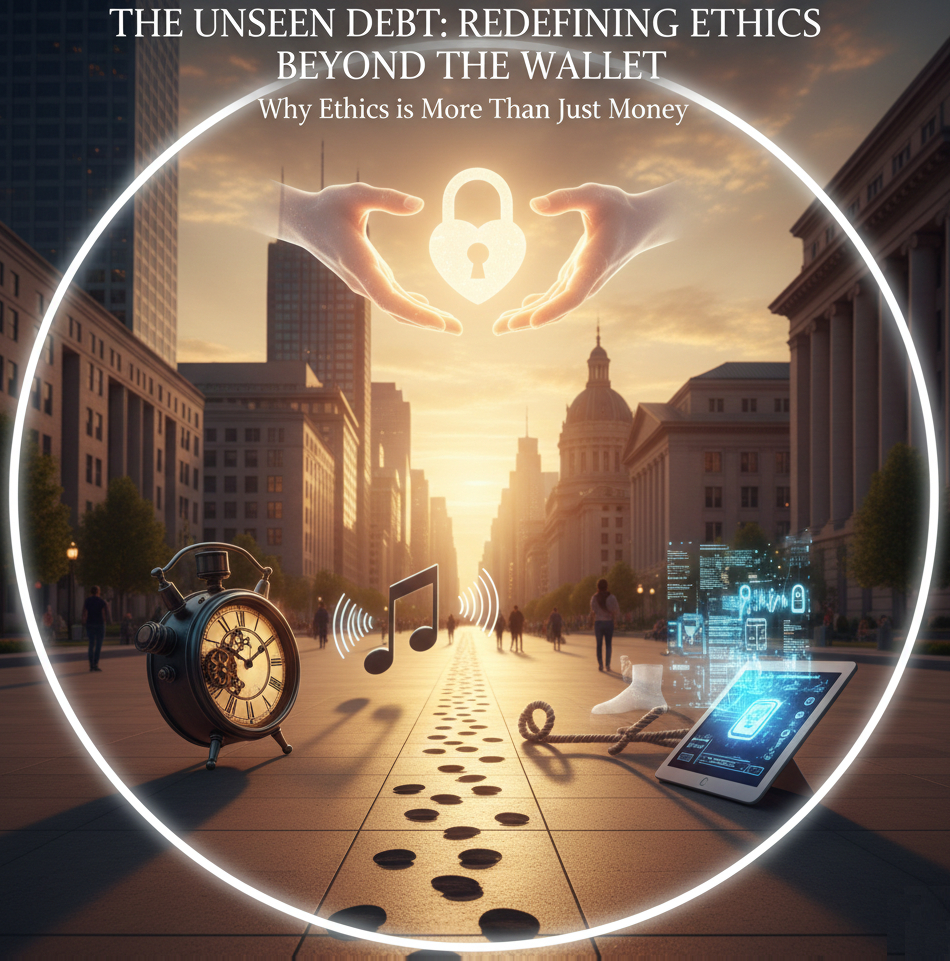
Most people associate violating someone’s rights with financial theft or unpaid debts. However, the boundaries of this concept extend far beyond our wallets. It’s about the sanctity of another person's space and peace:
Time Theft: Being late for a meeting isn't just a habit; it’s stealing someone’s most irreplaceable resource—their time.
Noise Pollution: Blaring music late at night or disrupting a neighbor’s peace is a direct infringement on their right to tranquility.
Queue Jumping: Cutting in line, whether in traffic or at the grocery store, is a mark of disrespect toward another’s patience and effort.
Digital Integrity: Using someone’s creative work—a photo, an article, or an idea—without permission is not just an IP violation; it’s a moral trespass.
The Weight of Reconciliation
In traditional teachings, "rights of others" is the only area where the Divine says, "Settle this among yourselves." This isn't just a religious rule; it’s a powerful incentive for social justice. While a stolen object can be returned, a shattered reputation or a broken heart is far harder to mend.
Why Does It Matter?
When the awareness of mutual rights fades, the foundation of trust in a society begins to crumble. Without trust, there is no peace. In a community where everyone guards the rights of others, there is less need for heavy locks, complex laws, or constant surveillance. The ultimate auditor becomes the human conscience.
"If you do not protect the rights of others, do not dream of a world where your own rights are protected."
The Bottom Line
Respecting the rights of others is not just a requirement of being "religious"; it is the prerequisite for being a "decent human being."
Tomorrow morning, as you step out of your door or post a comment on social media, ask yourself: "Is what I am about to do an unfair intrusion into someone else’s space?" Remember, our personal freedom ends exactly where another person’s right begins.